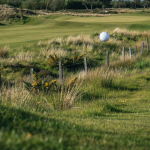
Play smarter by choosing targets that match your real shot shape, picking the right miss, and letting course design guide your decisions. Build a simple pre shot routine that includes wind, lie, and trouble, then commit. In Ireland, where weather and firmness change fast, strategic golf is often worth more than chasing perfect swings.
There is a quiet confidence that comes from making good decisions on the course. Not heroic decisions. Not emotional decisions. Good ones. At Saint Patrick’s Golf Club Downpatrick, I see it every week. Two players can strike the ball similarly and finish miles apart, simply because one of them plays chess while the other plays darts.
What strategic golf really means
Strategic play is not about laying up all day or taking the driver out of your hands. It is the skill of choosing the best option for your scoring, given your patterns, the conditions, and the design in front of you.
In Ireland, this matters more than most golfers realise. The same hole can demand completely different choices depending on wind direction, rain earlier in the week, and how firm the turf is playing. Coastal breezes, sudden squalls, and that classic Irish crosswind can turn a comfortable shot into a guess if you have no plan.
A strategic golfer asks four questions before pulling a club.
What is the smart target. What is the danger. What is my best miss. What is the simplest shot I can commit to.
Start with your shot pattern, not your dream shot
The biggest mistake I see is players aiming for a result they rarely produce. If your natural shape is a fade, planning for a draw is a gamble. If you tend to miss right under pressure, aiming at the right edge because it looks like the perfect line is not brave, it is careless.
On the range, most golfers judge themselves by their best balls. On the course, you must manage your average ball.
Here is a practical way to tighten your thinking.
Choose a target that allows your most common miss to finish in a playable spot. If your miss is right, set up so right is safe. If your miss is short, pick a club that brings the front trouble out of play.
At Saint Patrick’s, when the wind freshens and the ground firms up, a conservative target often produces an aggressive result anyway because the ball runs. When you plan for your pattern, you stop forcing it and you start scoring.
Pick the right side of the fairway, not just the fairway
Fairways are not equal. The correct side gives you a better angle, a flatter lie, and a clearer view. The wrong side can block the flag, bring bunkers into play, and force you to fly the ball when it is begging to be chased in low.
Think of the fairway as a corridor with lanes.
One lane offers the best angle to the green. Another lane leaves a semi blind approach. Another lane brings a greenside hazard into your line.
A useful habit is to decide your approach first, then work backwards.
Where do I want the ball entering the green from. Which side of the fairway makes that easiest. What club puts me there most often.
This is where Ireland’s top layouts teach you quickly. Royal County Down demands you respect angles and contours or you will be playing recovery shots all day. Portmarnock rewards the player who places tee shots to the correct side so the wind does not own the next swing. Lahinch can make you look silly if you do not commit to a line that suits the hole. The best courses are not just beautiful, they are honest about your decisions.
Club selection in Ireland is a weather skill
Strategic golf in Ireland begins with accepting that the air and ground change constantly. You cannot treat the yardage like a promise.
Three quick coaching rules for Irish conditions.
First, in a headwind take more club and swing smoother. A hard swing adds spin and height, and the wind loves that. A controlled strike keeps the flight down and the ball moving forward.
Second, in a crosswind pick a starting line that allows the wind to work for you. Do not fight it with a late adjustment. Choose a window, aim there, and trust the breeze to shape it.
Third, pay attention to firmness. After a dry spell, landing the ball on the front edge might still finish at the back. After heavy rain, a shot that normally releases could stop dead. Strategic golfers adjust landing spots, not just clubs.
Smart aggression is about where you can miss
Every flag is not for you. Some pins are designed to tempt you into a big number. Others can be attacked safely because the green feeds the ball in or because the worst miss is still a simple chip.
A strong scoring mindset is to aim for sections, not sticks.
If the pin is tucked behind a bunker, aim to the fattest part of the green and make your putt chances from there. If the pin is on a slope that rejects anything slightly off line, aim to the flatter shelf.
When should you go at it. When the penalty for a small miss is low. When the wind is stable. When your lie is clean. When you are swinging within yourself.
When should you play away. When short siding is likely. When trouble sits exactly where your miss lives. When the wind is gusting. When your lie is sitting down and you need height you cannot guarantee.
The simplest way to cut doubles and triples
Big numbers come from two decisions more than anything else. Following a mistake with another risky shot. Trying to recover everything in one swing.
Strategic golf gives you a rule for trouble.
If you are out of position, get back in position.
Punch it out. Take your medicine. Put the ball somewhere you can play a normal shot next. It feels boring, but it is the fastest way to lower your handicap.
At Saint Patrick’s, I often coach this with a simple target. After a poor tee shot, your next swing should aim for the widest part of the hole. Not the green. Not the flag. The hole is a journey, not a single strike.
A modern pre shot plan that actually holds up under pressure
Most golfers have a routine, but it is usually a rhythm routine, not a decision routine. They practise waggles and breathing, then choose a target late. Under pressure, that falls apart.
Try this fast decision routine.
Step one, stand behind the ball and choose the shot shape you can repeat today.
Step two, identify the main danger and decide your best miss.
Step three, pick a very specific target in the distance, not a general area.
Step four, choose the club that makes your worst realistic strike still acceptable.
Then you step in and you swing. No more debate.
This is strategic golf in a modern sense. It is not slow. It is organised. It keeps your mind clear and stops you from changing your plan halfway back.
How to practise strategy, not just technique
Improving your swing helps, but strategic improvement can be quicker.
On the range, do not hit twenty drivers in a row. Create holes. Pick a fairway target, then switch to an iron target, then a wedge. Add one constraint like a pretend crosswind or a narrow landing zone.
On the course, play a few holes with one simple rule. Aim away from trouble on every approach. Or hit the club that leaves your favourite yardage into the green. Or choose targets that suit your common miss and see what happens to your score.
You will learn fast that smart choices feel less exciting, but they produce more chances and fewer disasters.
Bring it to your next round
Ireland rewards the golfer who thinks. The wind, the bounces, the uneven lies, and the clever greens all invite you to be patient and precise with your decisions.
If you are planning a golf trip, you will find brilliant strategic tests across the island. Royal Portrush can challenge your club selection like few places on earth. Ballybunion asks you to embrace the ground game and choose your lines carefully. Adare Manor demands discipline with angles and distance control. And closer to home, Saint Patrick’s Golf Club Downpatrick offers a proper examination of decision making, especially when the breeze gets up and you have to commit to the correct side, the correct flight, and the correct miss.
The best part is this. Strategic golf does not require a new swing. It requires a clearer plan.
Play the shot you own. Choose a target that respects your miss. Let the course tell you what it wants. When you do, you will start making smarter decisions, and your score will follow.